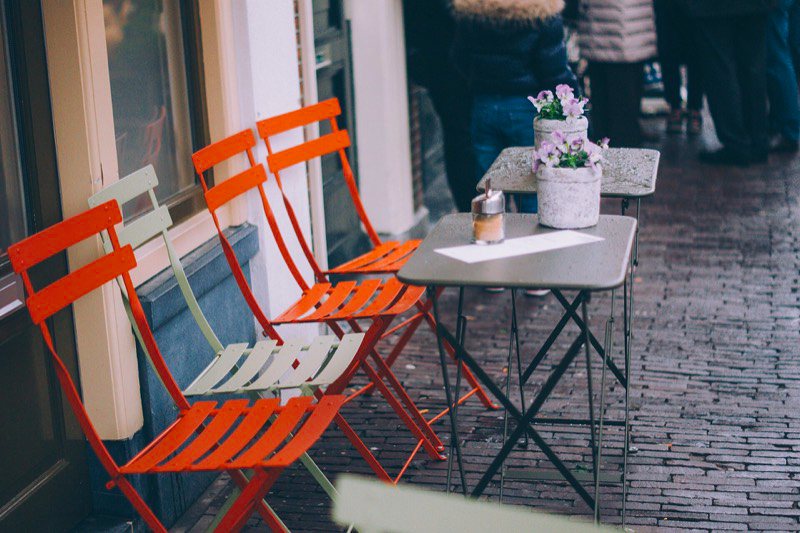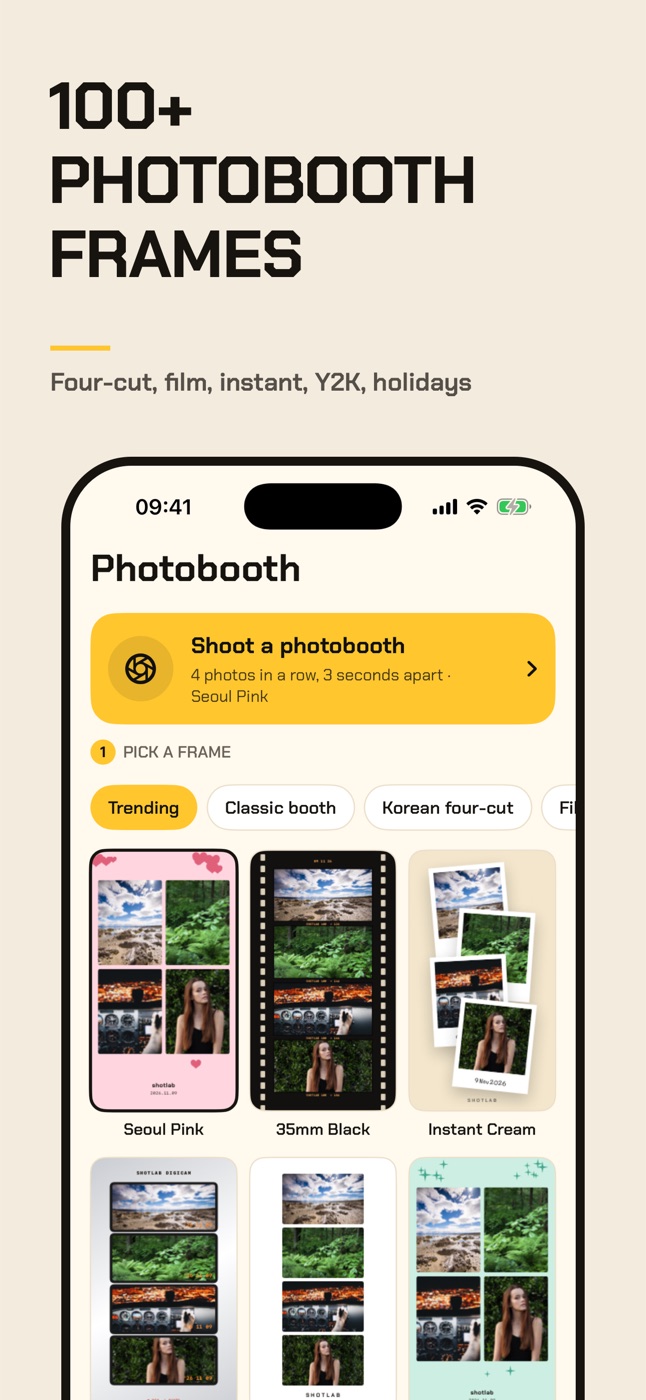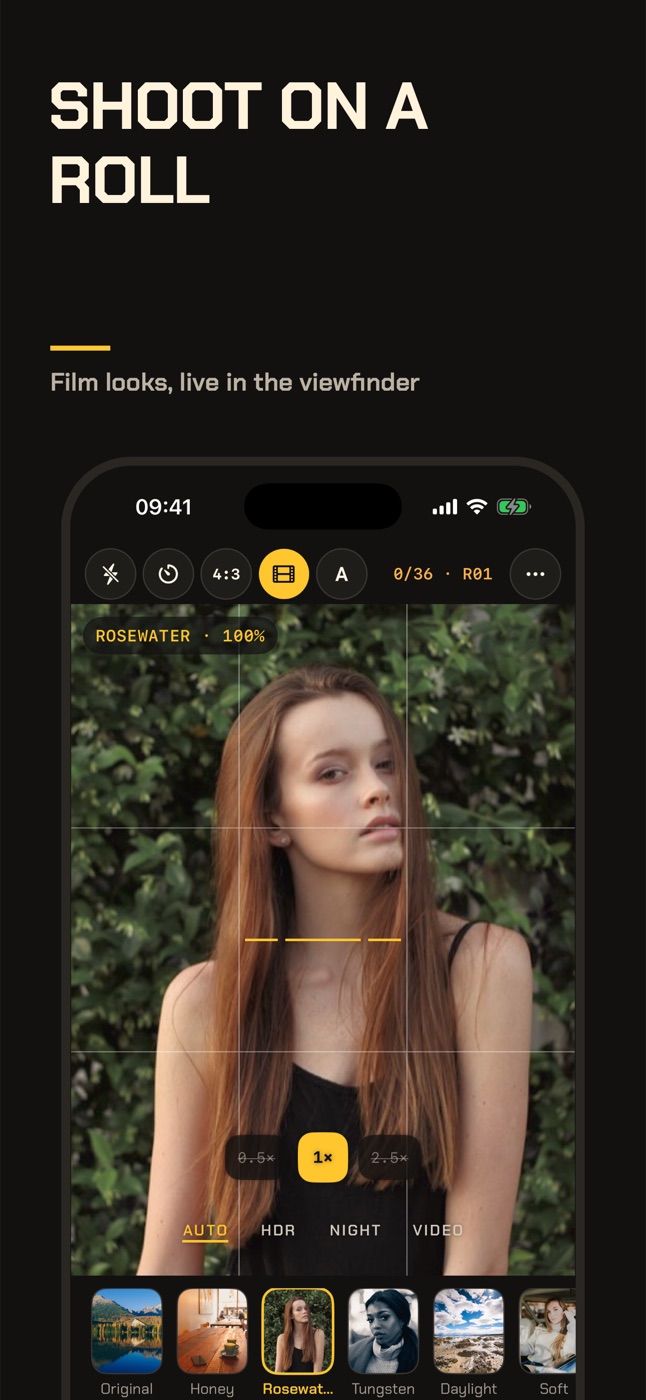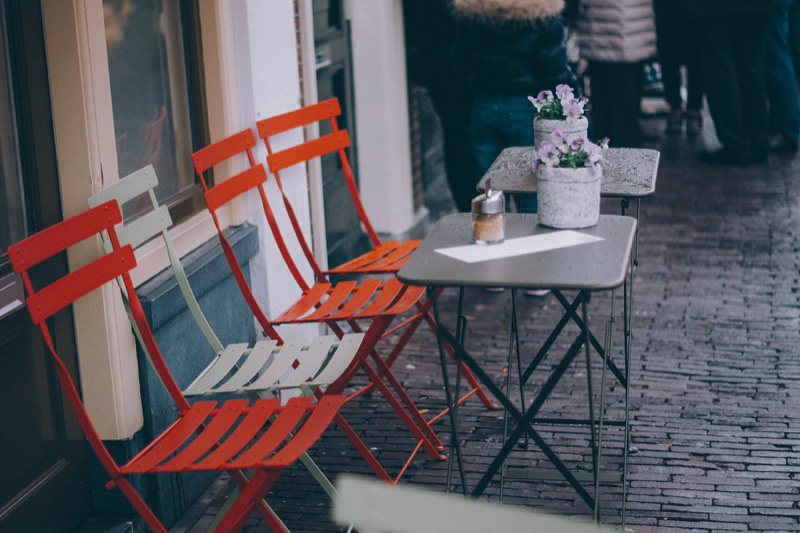
Street and night photography share a challenge: the light changes fast and the moment will not wait. These starting settings, taken from the short guides inside ShotLab, give you a base to adjust from. On a phone the settings are a little different from a big camera, but the ideas are the same.
Street and documentary
Starting settings: aperture f/5.6 to f/8, shutter 1/500s to 1/1000s to freeze walking, Auto ISO (up to 3200 or 6400), zone focus or continuous autofocus, multi-zone metering.
- Anticipate. Speed and timing matter more than gear. Find an interesting pocket of light and wait for someone to walk into it.
- Use shapes. Graphic shadows, silhouettes and reflections turn a plain street into a picture.
- Stay relaxed. Hesitation shows in the photo. A polite smile dissolves most tension.
- Mind the shutter. If footsteps are blurry, your shutter is too slow.
- Wet streets help. After rain, streetlights and signs double in reflections.
Night and low light
Starting settings: widest aperture (f/1.4 to f/2.8), shutter 10 to 25 seconds on a tripod or about 1/60s handheld, ISO 1600 to 6400, manual focus on a bright light, white balance around 3800K to 4200K for a clean night sky.
- Steady the phone. A tripod, a wall or a table helps more than any setting.
- Use a timer. A 2-second timer stops your finger from shaking the phone.
- Do not trust autofocus in the dark. It hunts. Focus on a bright light, then lock it.
- Mix the colours. Cool moonlight against warm tungsten lamps is a strong contrast.
- Do not over-clean noise. Heavy noise reduction smears small lights and stars.
Low light and concerts
Starting settings: aperture f/1.4 to f/2.0, shutter 1/250s for moving performers or 1/60s for still ones, ISO 3200 to 6400. Spot metering on the performer stops bright stage lights from fooling the exposure.
Using this on a phone
- HDR and Night modes merge several frames, which helps when scenes mix bright lights and dark areas.
- Pro controls let you set ISO, shutter and focus by hand.
- The light meter helps you see the exposure the scene needs.
- A look with deeper shadows such as Lamplight, which is made for night, street and cinematic scenes, can make a dim scene feel intentional.
Read the full set of ten guides on the Guides page, or see the looks that suit night and street. For warm evening light, see our golden hour guide.